Research Topics

Research Keywords

Photon-Counting CT Dual-Energy CT Material Decomposition Spectral Imaging Detector Modeling Ring Artifact Correction Scatter Correction Image Registration Brain Perfusion Cone-Beam CT X-ray Angiography CT Reconstruction
Photon-Counting CT Imaging

Photon-Counting CT Imaging

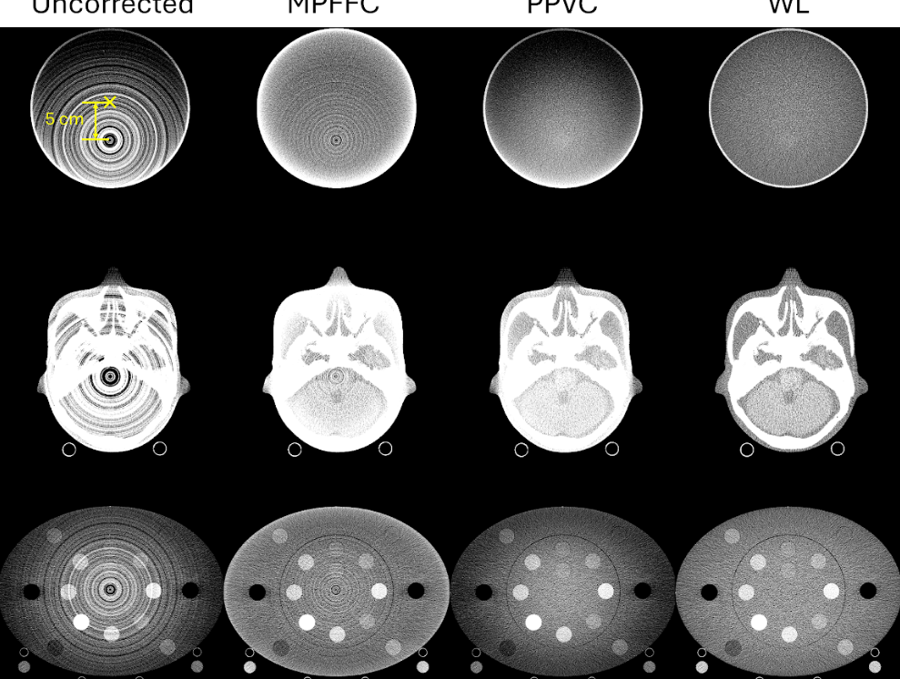
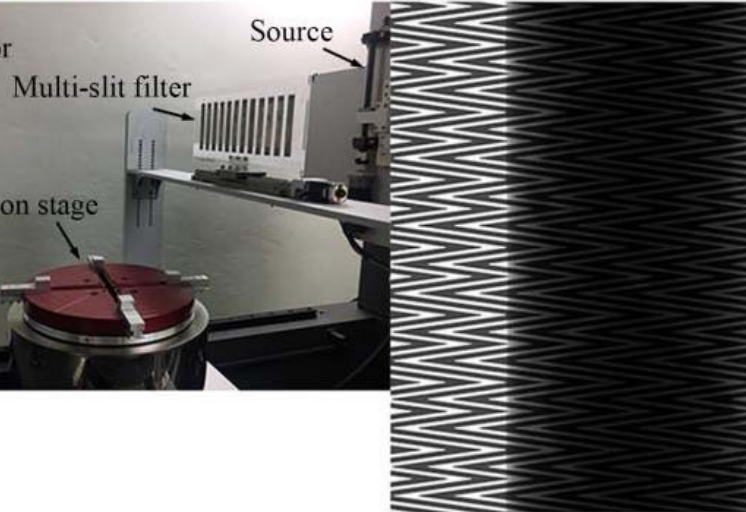
Photon-counting CT (PCCT) is a frontline spectral CT modality using photon-counting detectors (PCDs). Unlike conventional detectors, PCDs possess energy-discriminating capabilities, enabling numerous clinical advantages. However, they do present many challenges, such as spectral distortion (charge sharing and pulse pileup), high pixel-to-pixel variations, and so on, and have room to be improved further.
See related publications →

Dual-Energy CT Imaging

Dual-Energy CT Imaging

Dual-energy CT (DECT) expands the role of CT in quantitative imaging. By performing material decomposition, DECT enables virtual monochromatic images for energy-specific attenuation characterization, virtual non-contrast (VNC) images for dynamic CT, as well as electron density and effective atomic number maps for radiotherapy. As its applications continue to expand, DECT has become an increasingly important and actively investigated research area.

See related publications →

Dual-Energy X-ray Imaging

Dual-Energy X-ray Imaging

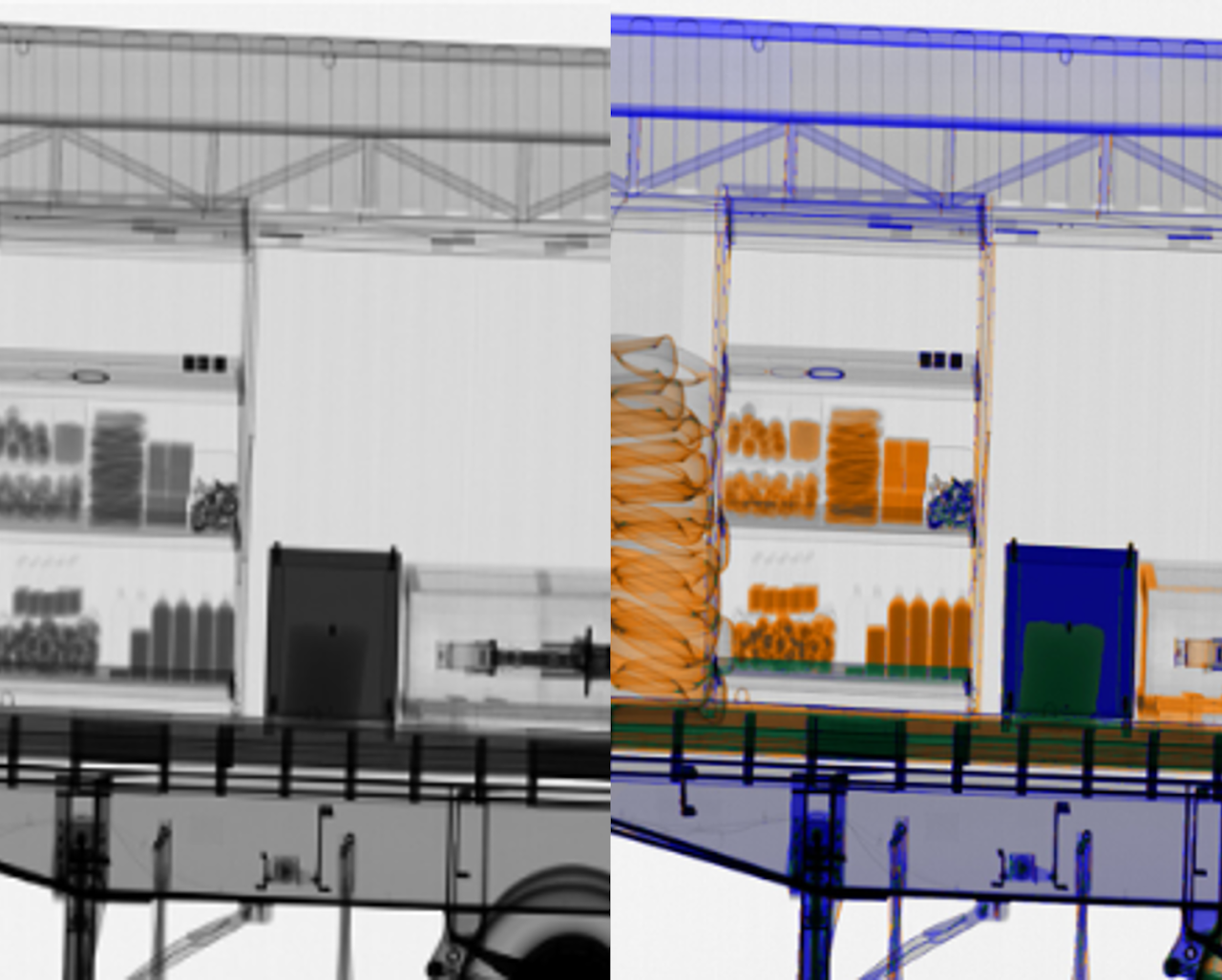
Dual-energy x-ray scans enable the extraction of density line integrals with respect to two basis materials from an imaged object. This process, known as material decomposition, significantly enhances material discrimination and material-specific quantitative assessment compared to conventional single-energy x-ray imaging. As dual-energy x-ray imaging systems have been widely adopted across various clinical and industrial fields, research interest and demand continue to grow.

See related publications →